
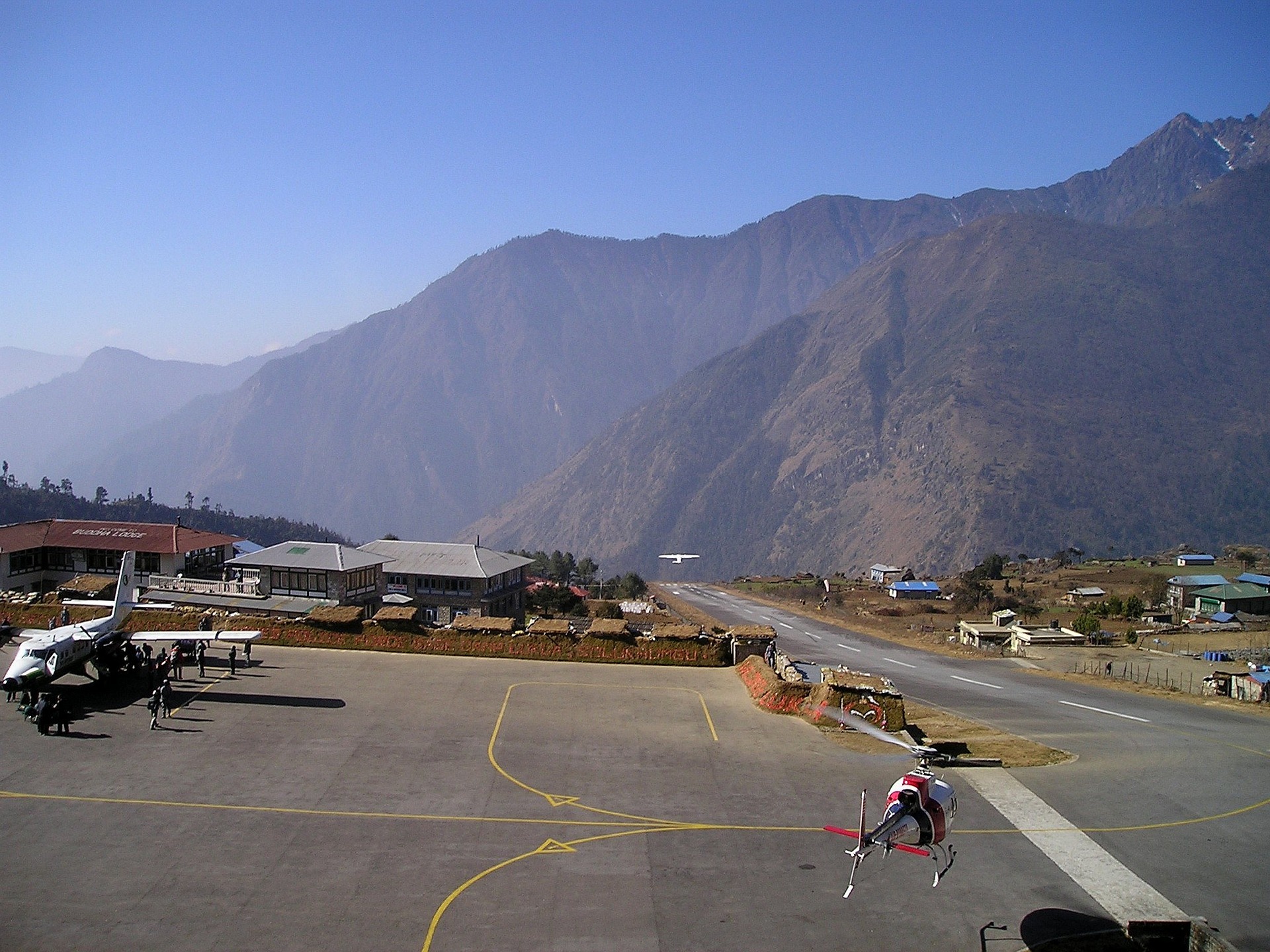
What if the 1,729-foot runway at lukla airport isn’t a heart-pounding obstacle to be feared, but the most exhilarating welcome to the roof of the world? It’s the soaring moment your Everest dream finally feels real! You’ve likely seen the viral videos or heard the daunting rumors, and it’s completely natural to feel a flutter of nerves about that famous mountain landing. We understand that those safety myths and the shifting logistics of the 2026 Manthali diversion can feel overwhelming when you’re just trying to focus on your boots hitting the trail.
We’re here to transform that uncertainty into total peace of mind. This guide gives you a clear, practical plan for every step of the journey, ensuring you master the Ramechhap flight schedule and handle weather delays like a seasoned pro. You’ll learn exactly how safety protocols keep you secure and what the flight experience feels like from the moment you board. By the time we’re done, you’ll be ready to embrace this iconic rite of passage with the confidence and warmth of a true Himalayan explorer.
Table of Contents
- 1 Key Takeaways
- 2 Tenzing-Hillary Airport: The Heart of the Khumbu Region
- 3 The Flight Experience: Journeying to the Edge of the World
- 4 Navigating Lukla Logistics: Manthali Diversions and Delays
- 5 Demystifying the “World’s Most Dangerous Airport” Label
- 6 Planning Your Everest Journey: The Blissful Nepal Difference
- 7 Your Himalayan Adventure Awaits
- 8 Frequently Asked Questions
- 8.1 Is Lukla Airport really the most dangerous airport in the world?
- 8.2 Why do flights to Lukla often leave from Manthali (Ramechhap) instead of Kathmandu?
- 8.3 What is the baggage weight limit for the Lukla flight in 2026?
- 8.4 How much does a helicopter from Lukla to Kathmandu cost if flights are cancelled?
- 8.5 Which side of the plane should I sit on for the best views of the Himalayas?
- 8.6 What happens if my flight to Lukla is delayed for multiple days?
- 8.7 Can I trek to Lukla instead of flying to avoid the airport?
- 8.8 What is the best time of day to fly to Lukla for clear weather?
Key Takeaways
- Discover the inspiring history behind lukla airport and why this legendary gateway remains the essential starting point for your journey to the roof of the world.
- Understand the 2026 Manthali diversion and get practical tips for the drive from Kathmandu to ensure your transit to Ramechhap is smooth and comfortable.
- Separate fact from fiction regarding flight safety by exploring the rigorous training pilots undergo and the modern protocols that protect every passenger.
- Learn what to expect during the exhilarating flight on STOL aircraft, from baggage limits for your gear to the breathtaking views of the Langtang range.
- Gain total confidence in your itinerary by seeing how a proactive local expert handles all the logistics so you don’t have to worry about a thing.
Tenzing-Hillary Airport: The Heart of the Khumbu Region
Imagine the moment the plane door swings open and you’re greeted by that first, sharp intake of crisp Himalayan air. It’s electric! This is lukla airport, the vibrant, beating heart of the Khumbu region and the doorway to your greatest dreams. This legendary strip of tarmac wasn’t built for fame; it was born from a deep love for the local people. In 1964, Sir Edmund Hillary led the construction to ensure the Sherpa community could access better healthcare and education. Legend has it that the ground was packed down by Sherpas performing a traditional dance to flatten the soil. It’s a story of partnership and heart that continues to this day. In 2008, the world officially recognized this legacy by renaming it Tenzing-Hillary Airport, celebrating the two men who first stood on the world’s highest peak.
Beyond being a transit point for trekkers, this airport is the essential lifeblood of the mountains. Since there are no roads into the high Khumbu, almost every piece of equipment, building material, and even the snacks you’ll enjoy in the teahouses arrives via this hub. It sustains the local economy and connects remote villages to the rest of Nepal. When you land here, you aren’t just arriving at a destination; you’re stepping into a thriving community that has welcomed explorers with open arms for decades.
The Unique Geography of Lukla
Sitting on a narrow mountain shelf at 2,845 meters (9,334 ft), the airport’s design is a testament to human ingenuity. The runway is famously short, but it’s engineered with a dramatic 12% uphill gradient that works in harmony with the pilots to assist in braking upon arrival. It’s brilliant! You’re nestled right in the middle of a giant’s playground, surrounded by peaks over 6,000 meters that define the horizon. These mountains don’t just provide a view. They dictate the very rhythm of flight paths and visibility, ensuring that every landing at lukla airport is handled with the utmost precision and care.
A Rite of Passage for Trekkers
For every explorer, landing here is the ultimate rite of passage. It’s the moment your adventure shifts from a plan on a map to a felt reality. The transition is beautiful and sudden. You trade the humid, high-energy streets of Kathmandu for the quiet majesty and pine-scented breeze of the Khumbu. As you lace up your boots for that first mile, there’s a profound sense of wonder that takes over. You’re finally here. This is where the story begins, and we’re so excited to be part of your journey into the clouds.
The Flight Experience: Journeying to the Edge of the World
The moment you step onto the tarmac, the excitement is palpable! You aren’t boarding a massive commercial jet. Instead, you’ll climb into a rugged, small STOL (Short Take-Off and Landing) aircraft like a Twin Otter or a Dornier. These planes are the workhorses of the Himalayas, specifically designed to handle the unique demands of high-altitude mountain strips. As the engines roar to life, your 30-minute journey to lukla airport begins. It’s a sensory symphony of mechanical power and raw, natural beauty that signals the start of something truly special.
Looking out the window, the world transforms into a masterpiece of rock and ice. You’ll soar past the jagged, snow-capped peaks of the Langtang and Jugal ranges, feeling as though you could almost reach out and touch the glaciers. We have a little secret for you: try to secure a seat on the left side of the plane. It’s the “golden ticket” for the most spectacular mountain vistas as you approach the Khumbu. The sheer scale of the landscape is enough to leave you breathless before you even hit the trail.
Airlines Serving the Lukla Route
Reliability and hospitality are the hallmarks of the carriers serving this route. You’ll likely fly with Tara Air, Summit Air, or Sita Air. These airlines operate under strict standards set by the Civil Aviation Authority of Nepal, ensuring that every flight is managed with meticulous care and professional stewardship. Because these small planes are sensitive to weight, there’s a strict limit of 10kg for checked luggage and 5kg for your carry-on gear. Packing light is part of the adventure! The flight crews are incredibly skilled, often acting as both your technical guides and your first warm welcome to the mountains. If you’re feeling a bit nervous about the logistics, choosing a well-supported Everest Base Camp trek means we handle the heavy lifting of bookings and weight checks for you.
The Thrill of the Landing
As the plane begins its descent, you’ll feel the collective breath of the cabin hold in anticipation. The aircraft aligns with a narrow, emerald valley, heading straight toward a mountain wall where the runway sits. It’s a “no-go-around” approach, meaning the pilots are committed once they enter the final stage. Their precision is nothing short of masterful. When the wheels finally touch the sloped tarmac of lukla airport, a spontaneous, exclamatory cheer often erupts from the trekkers. It’s a beautiful, shared moment of triumph. You’ve arrived, and the greatest walk of your life is about to begin!

We know that planning your trek is a labor of love, and nothing should dampen that vibrant spirit! While the flight to lukla airport is the highlight of many journeys, the logistics have evolved recently to ensure everyone gets to the mountains safely and efficiently. In 2026, the “Manthali Factor” is a key part of the adventure. During the peak trekking months of spring and autumn, most flights to Lukla shift from Kathmandu’s busy Tribhuvan International Airport to the smaller Manthali Airport in Ramechhap. It is a change designed with your safety and schedule in mind, ensuring that more trekkers can reach the trails without the heavy traffic of the capital’s main hub.
This shift means your journey begins with a 4 to 6 hour drive from the capital. It’s often an early start, sometimes as early as 2:00 AM, but think of it as your first immersive look at the rolling green hills and rural life of Nepal! While some might see this as a hurdle, we see it as a chance to bond with your fellow travelers before the real climb begins. We handle every detail of the transport logistics with meticulous care, so you can catch a few extra winks in a comfortable vehicle while we navigate the winding roads for you. It’s all about making the “home away from home” experience start the moment you leave your hotel.
Why the Manthali Diversion Exists
Kathmandu’s airport is a bustling international hub, and moving Lukla flights to Ramechhap helps reduce air traffic congestion significantly. By flying from Manthali, the flight time is slashed to a quick 20 minute hop. This shorter distance allows airlines to complete more rotations during those precious, clear morning windows, making your arrival at lukla airport more reliable than ever. It’s often called the world’s most dangerous airport because of its unique geography, but these modern logistical shifts are all about prioritizing your safety and peace of mind. At Blissful Nepal, we coordinate every step of this transfer so you never feel stranded or confused.
Handling Weather and Flight Cancellations
Safety is our absolute priority, and mountain aviation operates under strict Visual Flight Rules (VFR). If the clouds roll in or the wind picks up, the pilots will wait for a perfectly clear window. It’s all part of the natural rhythm of the Himalayas! If a flight is cancelled, don’t worry. We’re experts at re-booking or arranging shared helicopter options to keep your dream on track. The best advice we can give is to embrace the local wisdom: “The mountains decide when you arrive.” Building two buffer days into your 2026 itinerary is the secret to a stress-free experience, allowing you to wait out a delay with a warm cup of tea and total confidence that you’ll reach the Everest Base Camp trek soon enough.
Demystifying the “World’s Most Dangerous Airport” Label
We’ve all seen the viral videos and the dramatic headlines. It’s easy to see why the “dangerous” label sticks, but we want to share a different perspective with you. In the aviation world, lukla airport is actually a masterpiece of precision and professional stewardship. While sensationalist lists focus on the rare incidents over decades, they often miss the thousands of successful, routine flights that land safely every single year. For the pilots who fly these routes, this isn’t a gamble. It’s a highly choreographed display of skill and modern technology. We’re here to help you trade that anxiety for a sense of awe at the incredible systems keeping you safe.
Safety in the Himalayas isn’t left to chance. In 2026, the technology supporting every takeoff and landing has reached new heights. Real-time weather monitoring stations now provide minute-by-minute updates on wind speed and cloud density directly to the cockpit. If the conditions aren’t absolutely perfect, the flight simply doesn’t go. This “No-Risk” policy is why you might experience delays, but it’s also the very reason you can fly with total peace of mind. Every pilot commanding a flight to Lukla must meet rigorous certification standards, including a high number of successful landings at other high-altitude strips before they’re ever allowed to guide a plane into the Khumbu.
Myth vs. Reality
There are so many stories floating around, so let’s clear the air! One common myth is that the small STOL planes are less secure than big jets. In reality, these aircraft are specifically engineered for this exact terrain. They’re incredibly agile and capable of stopping on a dime. Another worry is the short runway. While it looks tiny from the air, the uphill slope is a brilliant piece of engineering that acts as a natural brake. You’re in the hands of masters who treat every journey like they’re flying their own family home. If you’re ready to experience this thrill with a team that prioritizes your safety above all else, join us for an Everest Base Camp trek guide where we manage every logistical detail for you.
Expert Stewardship on the Ground
The care doesn’t stop with the pilots. The Civil Aviation Authority of Nepal (CAAN) maintains a constant presence at lukla airport, conducting daily safety checks and monitoring micro-climates that only local experts truly understand. These ground crews aren’t just staff; they’re the guardians of your experience. They work with a heart-centered approach, ensuring that every piece of luggage is secure and every passenger feels welcomed. This blend of high-tech monitoring and local wisdom creates a safety net that is as reliable as it is warm. You aren’t just a passenger to them. You’re a guest in their home, and they take that responsibility very seriously.
Planning Your Everest Journey: The Blissful Nepal Difference
You’ve dreamed of standing in the shadow of the world’s highest peaks, and we’re here to make sure every single step of that journey feels like coming home. The logistics of lukla airport don’t have to be a source of anxiety or confusion. When you book a comprehensive Everest Base Camp trek with us, you’re gaining a dedicated partner who treats your adventure with the same care we’d give our own family. We take the weight of flight bookings, permit checks, and baggage limits off your shoulders so you can keep your heart open and your eyes on the horizon. It’s our mission to ensure your focus remains on the awe-inspiring beauty of the mountains, not on the paperwork behind the scenes.
Our approach is rooted in the philosophy of being a “Hospitable Local Expert.” This means we don’t just provide a service; we provide a felt experience of safety and warmth. From the moment you land in Kathmandu, you’ll feel the difference that proactive planning makes. We anticipate the hurdles before they appear, allowing you to move through your itinerary with a sense of fluid ease. You’re never just another trekker to us. You’re a guest in our home, and we’re honored to guide you through this legendary landscape.
Seamless Support from Kathmandu to the Trail
We know the early morning drive to Manthali can feel like a big undertaking. That’s why a Blissful Nepal representative is with you every step of the way, handling the early morning logistics for your flight with meticulous care. We organize comfortable transport for the 4 to 6 hour journey, ensuring you arrive at the Ramechhap terminal feeling refreshed and ready for your 20-minute hop to lukla airport. If the mountain weather decides to shift, our “Plan B” strategies kick in immediately. We use our deep local connections to manage priority re-booking or help coordinate shared helicopter transfers if the situation calls for it. You’re never left stranded or wondering what happens next.
Your Adventure Starts with Confidence
Choosing the right Everest Base Camp trek package is the first step toward a truly worry-free experience. We help you find the journey that matches your pace, ensuring you feel empowered from day one. Our goal is to transform that “scary” flight into an exhilarating highlight that you’ll tell stories about for years to come. It’s about trading fear for wonder and uncertainty for total peace of mind. Join our family for the journey of a lifetime, and let’s make your Everest dream a beautiful, seamless reality together!
Your Himalayan Adventure Awaits
Your journey to the roof of the world is no longer a distant dream. It’s a vibrant reality waiting to unfold! We’ve explored how modern safety protocols and expert pilot training have transformed the flight to lukla airport into a breathtaking highlight rather than a hurdle. You now understand the rhythm of the Manthali diversion and how a proactive plan turns potential delays into moments of peaceful reflection. The mountains are calling, and we’re so excited to help you answer that call with total confidence.
We’re ready to welcome you into our family with the warmth and care you deserve. With expert local guides boasting over 10 years of experience, we ensure every detail of your Manthali-Lukla transfer is handled with total precision. We provide 24/7 support for any weather-related shifts, so you can keep your focus on the awe-inspiring peaks ahead. Let us handle the logistics-Book your Everest adventure with Blissful Nepal today! We can’t wait to see you at the trailhead and share the magic of the Khumbu together!
Frequently Asked Questions
Is Lukla Airport really the most dangerous airport in the world?
While it often wears that dramatic crown in the media, lukla airport is actually managed with world-class precision by elite pilots who specialize in mountain terrain. The label comes from its short, sloped runway and the surrounding peaks, but the reality is a system of rigorous safety checks and a strict no-risk policy. You’re in excellent hands with crews who treat every landing as a masterclass in aviation skill!
Why do flights to Lukla often leave from Manthali (Ramechhap) instead of Kathmandu?
Moving flights to Manthali helps avoid the heavy air traffic at Kathmandu’s main international airport during the busy spring and autumn trekking seasons. This shorter flight path allows airlines to complete more rotations during the clear morning weather windows. It makes your journey much more reliable and ensures you spend less time waiting on a tarmac and more time breathing in that fresh mountain air.
What is the baggage weight limit for the Lukla flight in 2026?
The standard baggage allowance for your flight is 15kg in total. This includes 10kg for your checked duffel bag and 5kg for your hand luggage or daypack. If you find yourself a little over the limit, don’t worry! Excess baggage fees are typically around $1 to $3 per kilogram, which is a small price to pay for having all your favorite gear with you.
How much does a helicopter from Lukla to Kathmandu cost if flights are cancelled?
If you choose to take a helicopter due to flight cancellations, a shared seat typically costs between $600 and $700 per person. For those looking for the convenience of a private charter, the cost is approximately $2,500 to $3,000. We’re always here to help you navigate these options quickly so your adventure continues with a smile and total peace of mind.
Which side of the plane should I sit on for the best views of the Himalayas?
You definitely want to sit on the left side of the plane when flying toward lukla airport! This side offers the “golden ticket” views of the snow-capped Himalayan giants as you soar toward the Khumbu. When it’s time to fly back to Kathmandu or Manthali, make sure to snag a seat on the right side for one last spectacular mountain farewell.
What happens if my flight to Lukla is delayed for multiple days?
If a delay lasts for several days, we immediately pivot to re-booking the next available flight or arranging a helicopter transfer to keep your dream on track. This is exactly why we recommend building two buffer days into your 2026 itinerary. It keeps your spirit high and your schedule secure while the mountains decide when the weather is perfect for your arrival.
Can I trek to Lukla instead of flying to avoid the airport?
You can certainly choose to trek into the region from Jiri or Salleri if you prefer to skip the flight. Trekking from Jiri adds about five to seven days of beautiful walking through the lower foothills, while starting from Salleri is a slightly shorter alternative. It’s a wonderful way to see even more of Nepal’s stunning rural landscapes and experience deep local culture!
What is the best time of day to fly to Lukla for clear weather?
Early morning is the absolute best time to fly because the mountain winds are calmest and visibility is at its peak. Most flights depart between 6:00 AM and 9:00 AM to take advantage of these stable, clear conditions. Starting your day with the sunrise ensures you have the best chance of a smooth, scenic landing in the heart of the mountains.